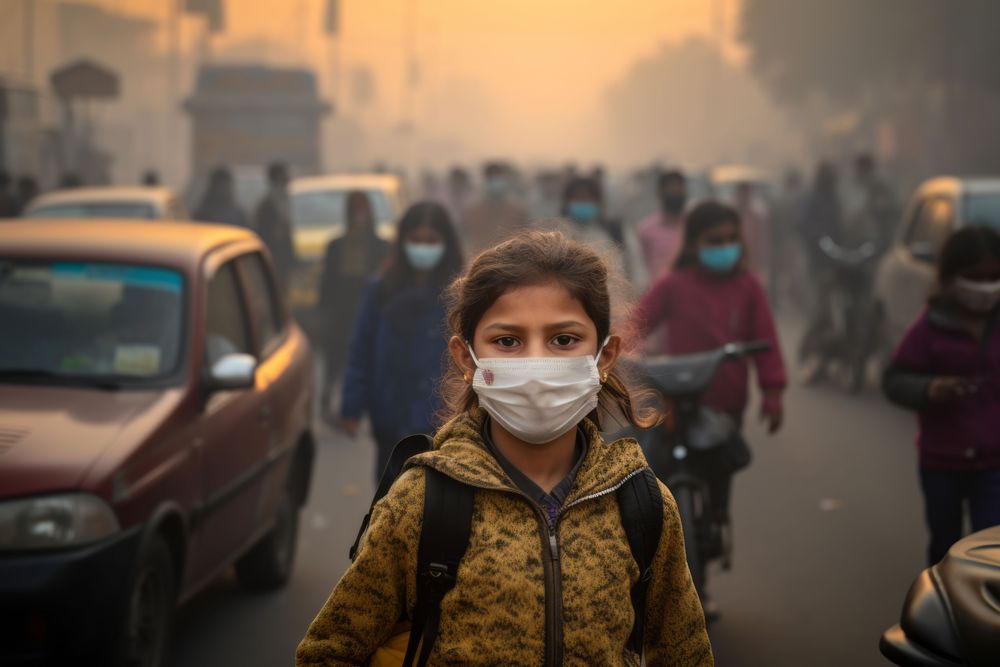
The Air Quality Life Index 2025 from the Energy Policy Institute at the University of Chicago reports that every person in India is exposed to PM2.5 levels higher than the World Health Organization limit of 5 micrograms per cubic metre.
Air pollution in India has moved far beyond familiar seasonal spikes. A growing body of research shows that breathing polluted air over long periods accelerates chronic illnesses that already affect large sections of the population. This has made air pollution a significant driver of the country’s non-communicable disease burden. Current assessments indicate a consistent loss of healthy years of life because exposure remains widespread and persistent.
The Air Quality Life Index 2025 from the Energy Policy Institute at the University of Chicago reports that every person in India is exposed to PM2.5 levels higher than the World Health Organization limit of 5 micrograms per cubic metre. This reduces average life expectancy by 3.5 years. The impact is highest in Delhi NCR at 8.2 years. Bihar, Haryana, and Uttar Pradesh also show significant losses.
How Pollution Harms the Body
The reduction in life expectancy reflects known biological mechanisms. Fine particulate matter reaches the deepest parts of the lungs, enters the bloodstream and creates long term inflammation. This affects the heart, lungs and brain. According to the World Health Organization, 83 per cent of premature deaths linked to air pollution arise from chronic diseases including heart disease, stroke, chronic obstructive pulmonary disease and lung cancer.
The State of Global Air 2025 report estimates that two million people in India died in 2023 due to diseases related to air pollution. This represents a 43 per cent increase since the year 2000. Eighty-nine per cent of these deaths were caused by non-communicable diseases such as heart disease, diabetes, chronic obstructive pulmonary disease, lung cancer and dementia.
Effects Across Age Groups
Air pollution influences both, early onset and faster progression of chronic disease. Air pollution can limit lung growth in children. Adults living with hypertension or diabetes may see their symptoms worsen. Older adults have higher chances of heart attacks, strokes, and cognitive decline. The State of Global Air 2025 report estimates 54,000 dementia-related deaths in India linked to PM2.5 exposure in 2024.
Strain on the Health System
The increase in disease burden is visible within the health system. Hospitals in regions with consistently poor air quality report rising respiratory cases throughout the year. This places additional pressure on cardiology, neurology, pulmonology and general medicine departments. Long term management of chronic disease requires more diagnostic tests, more medications and repeated follow up. For health care workers this means heavier caseloads and longer hours. Families experience higher financial costs due to ongoing care, investigations and treatment.