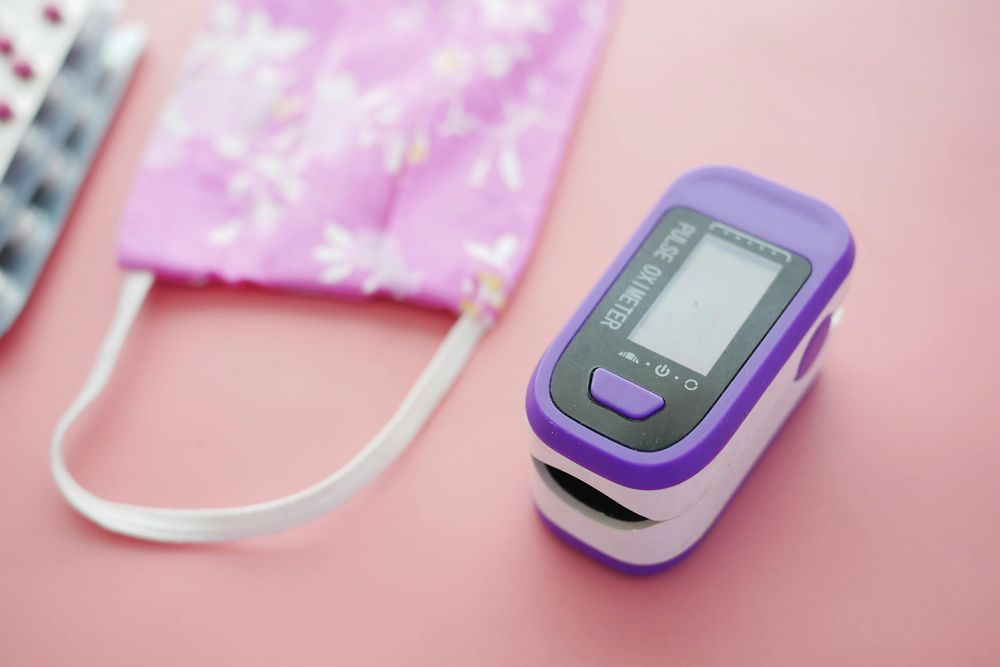
India’s healthcare system continues to face rising disease burdens alongside limited access to timely diagnostic services. In many rural and peri-urban communities, people wait far too long for a diagnosis.Point-of-care diagnostic tools, or POCDs, provide a practical way to move testing from distant laboratories directly into the community settings where clinical decisions are made.
POCDs are diagnostic tests conducted at or near the site where the patient is receiving care and can deliver results within minutes or hours instead of days. Research summarized by Pai and colleagues shows that POCDs reduce the time between the onset of symptoms, diagnosis, and the start of treatment, enabling faster and more effective patient care. This closes one of the biggest gaps in healthcare delivery.
According to IMARC Group's industry analysis, the global market for point-of-care diagnostics was worth around $53 billion in 2024 and is expected to quadruple in the next ten years. This is mostly due to the use of these tests in infectious diseases and the growth of digital connection.
The value of POCD in India goes beyond just business growth numbers. It has the ability to fix a long-standing systemic inequity where reliable diagnostics are still only available in certain areas and for certain people. Konwar and Borse's study of the Indian healthcare system says that those who live far from metropolitan laboratories have to wait longer for or miss diagnoses of tuberculosis, maternity difficulties, and common non-communicable diseases because they have to rely on transportation and reporting lag. POCD devices fix this problem by making testing available at health sub-centers, mobile clinics, and village outreach initiatives.
The Value Of Public Health Goes Beyond Just Testing Individuals
From a public health perspective, POCD tools serve as instruments for population disease management rather than as standalone clinical equipment. The World Health Organization's global health estimates show that infectious diseases are still one of the top causes of illness and death in low- and middle-income nations. Quick diagnosis is important not only for the recovery of each person but also to stop the spread of the disease in the community.
Hospitals benefit as a whole when diagnostic decentralization moves screening volumes away from tertiary hospitals. According to study by Varghese and colleagues on the use of POCD in Indian public programs, huge groups of low-risk patients are well cared for in primary care systems, which keeps them from having to go to the hospital and frees up space for specialized care.
Making Decisions At The Front Line Of Care
One of POCD's best contributions to making healthcare more efficient is allowing local decision-making. Healthcare professionals utilizing rapid testing equipment can take action at the same patient visit instead of waiting for lab results to come back days later.