Every Independence Day, we drape ourselves in the tricolour, sing the anthem, and remind each other how hard freedom was won. But for millions of Indians living with chronic illnesses, true freedom remains out of reach.
Cardiovascular disease, cancer, chronic respiratory illnesses, and diabetes collectively called noncommunicable diseases (NCDs) now account for 62% of all deaths in Southeast Asia, according to the World Health Organization. Every year, nine million people in the region die from these conditions, many before their 70th birthday.
The threat is not only in the staggering numbers, it lies in the way these diseases silently take root. Poor diets, inactivity, pollution, and genetic predisposition create a slow, invisible chain of damage. By the time symptoms are recognised, it is often too late to reverse them. Yet, most premature NCD deaths are preventable.
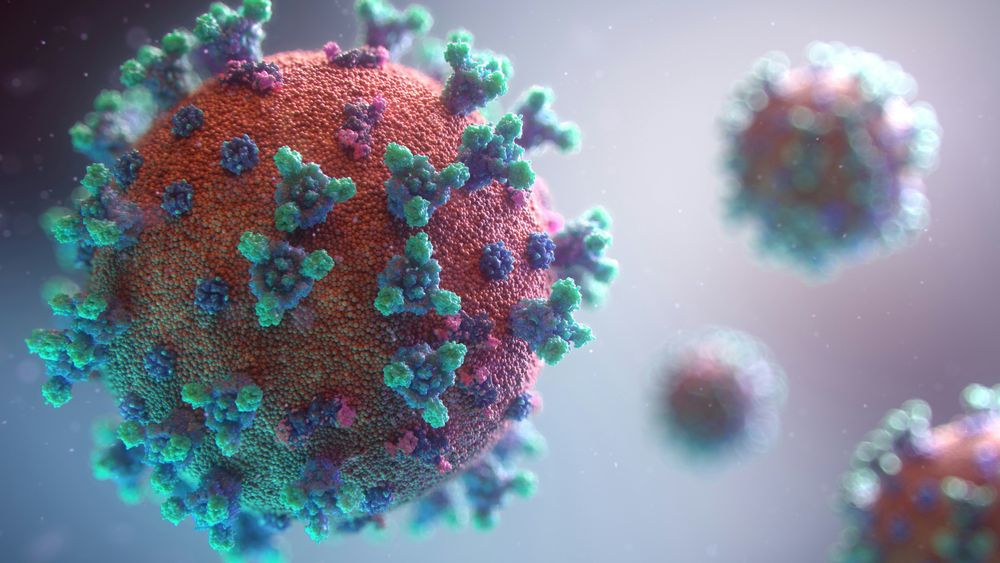
The COVID-19 surge in May 2021 made this painfully clear. Obesity, diabetes, and other chronic conditions sharply increased the risk of death. Thousands who might have survived the virus did not because their bodies were already weakened by diseases they had been silently managing for years.
Globally, NCDs claim 41 million lives annually, including 14 million people aged 30 to 70. Without urgent action, the WHO warns this could rise to 55 million by 2030. For India, the stakes are also economic: reports estimate a loss of $4.58 trillion by 2030 due to NCD-related costs, with heart disease and mental health conditions making up the largest share.